
Driveways That Handle Daily Load Again
Driveway Repair in Jonesborough for cracked, sunken, or deteriorating surfaces that interrupt access or cause damage
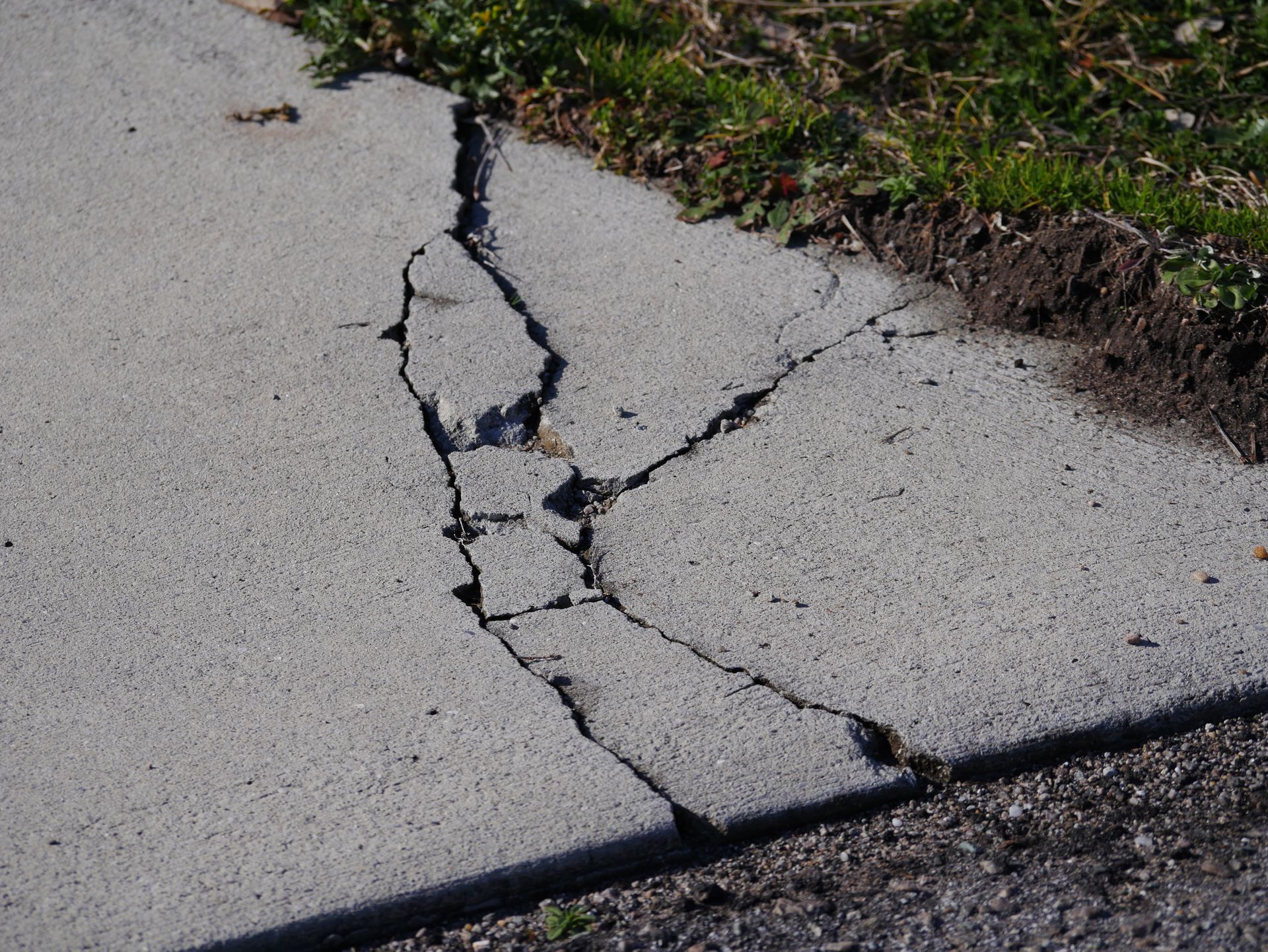
A significant share of residential properties in Jonesborough were developed during periods when driveway construction leaned heavily on minimal base preparation and thin surface layers—conditions that produce cracking, heaving, and surface loss well before a driveway should need replacement. RichCo Excavating performs driveway repair, demolition, and clearing work on these properties, addressing failures at their source rather than patching over instability. Property owners who see cracking running in multiple directions, sections that have shifted vertically, or edges that are crumbling away are dealing with conditions this service is built to resolve.
The repair process begins with an assessment of what is actually failing—whether the surface material has broken down, whether the base beneath it has shifted or eroded, or whether drainage patterns are directing water in ways that undermine the subsurface. Where the existing surface is too compromised to repair in sections, demolition of the affected area is the correct sequence before any new material goes down. Clearing work removes debris, old material, and vegetation that would prevent proper compaction or bonding. Each of these steps is handled by RichCo Excavating as part of a complete scope rather than isolated tasks that leave the underlying cause unaddressed.
Arrange an on-site evaluation to identify what is driving the deterioration on your specific driveway.
Driveway failures that appear at the surface almost always originate below it. A crack or sunken section is the visible result of base material that has shifted, compacted unevenly, or been compromised by water moving beneath the surface. Repair work that addresses only the top layer without correcting the subsurface condition will repeat the same failure pattern within a relatively short period. The correct approach involves exposing the base, evaluating its condition, correcting any instability, and then restoring the surface in a way that is supported from the ground up.
After the repair sequence is complete, what you observe changes in specific, measurable ways: sections that were uneven or shifting are flush and stable, edges that were crumbling hold a clean line, and vehicle access no longer requires navigating around damaged zones. The cleared area is left free of the old material and debris that would otherwise create a rough or hazardous transition. These are outcomes you can verify by walking the surface and inspecting the edges before work is signed off.
The scope of repair work varies based on how much of the existing driveway is salvageable and how extensively the base has been affected. In some cases, partial demolition and replacement of specific sections is the appropriate approach; in others, full demolition is more practical than attempting to integrate new material with a surface that has failed broadly. RichCo Excavating evaluates these factors on site and scopes the work accordingly rather than defaulting to the same approach on every job.
Questions About How Driveway Repair Gets Done
Property owners in Jonesborough frequently ask about the sequencing of repair work—particularly whether demolition is always required or when surface-level correction is sufficient. The answers depend on what the existing driveway base looks like and how far the damage has progressed.
What determines whether a driveway needs partial repair or full demolition?
The condition of the base layer is the primary factor. If the subsurface has shifted significantly or is no longer providing stable support across a large portion of the driveway, demolition and reconstruction of those sections produces a more durable result than surface patching alone.
How is the base evaluated before repair work begins?
The existing surface is examined for the pattern and depth of cracking, vertical displacement between sections, and edge condition. In some cases, material is removed from a representative section to inspect the base directly before the full scope is determined.
What does the clearing process involve after demolition?
Clearing removes broken surface material, old base aggregate that is no longer usable, and any vegetation or debris that has grown into or around the damaged area. This step ensures the ground is prepared to accept compaction and new material without voids or organic matter that would cause future settling.
Why do driveways on older Jonesborough properties tend to fail in similar patterns?
Many residential driveways installed during earlier development phases used thinner surface applications over bases that were not compacted to current depth standards, which means the surface begins to fracture along predictable lines as the base shifts over time.
What should you check to confirm the repair has been completed correctly?
Look for uniform surface height across all sections, clean transitions at the edges where new material meets existing surfaces or borders, and no visible voids or soft spots when you walk the length of the driveway.
RichCo Excavating is available to review the current condition of your driveway and explain what the repair scope would involve before any work begins. Contact RichCo Excavating directly to set up a site visit and discuss the specific conditions on your property.